


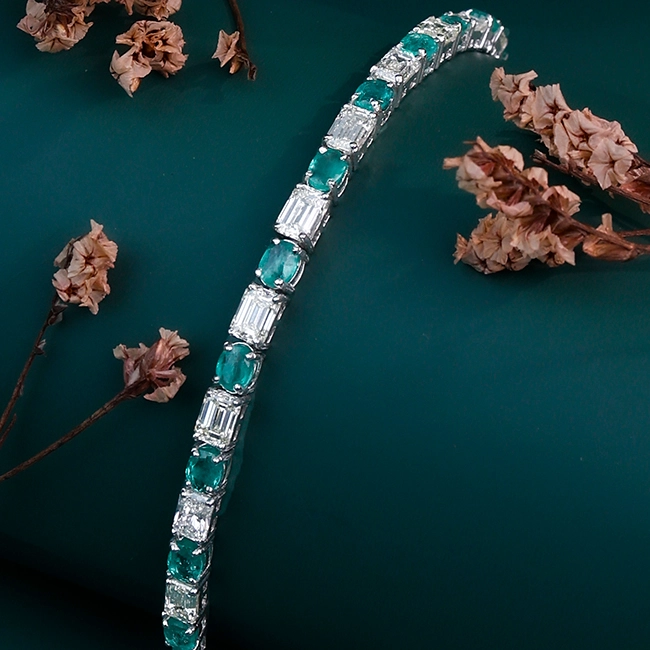

Why Product Photography Is Important for Your Business Success
In a market where customers judge a product within seconds of seeing it online, product photography is no longer optional — it’s the single biggest factor separating brands that convert browsers into buyers from those that lose them at first glance. Whether you’re a D2C founder in Delhi, a jewellery brand owner in Chandni Chowk, or a seller listing on Amazon and Flipkart, the quality of your product images directly determines how much trust, traffic, and revenue your business earns.
This guide breaks down exactly why product photography matters, how it impacts your bottom line, and what you can do to make your product images work harder for your business.
Importance of Product Photography in India
India’s ecommerce and D2C market has grown faster than almost anywhere else in the world, and with that growth has come a flood of competition. On marketplaces like Amazon, Flipkart, Myntra, and Meesho, thousands of sellers often list near-identical products in the same category. In this environment, product photography becomes the deciding factor in whether a shopper clicks on your listing or scrolls past it.
Indian consumers are also increasingly mobile-first, browsing on small screens where clarity, lighting, and framing matter even more. A blurry or poorly lit image doesn’t just look unprofessional — it actively signals low quality, even if the product itself is excellent. For sellers and brands based in cities like Delhi, working with a local product photography studio that understands marketplace compliance (background color, image size, resolution) and regional buying behavior gives a real competitive edge over generic, DIY photos.
Benefits of Professional Product Photography
Professional photography goes far beyond “nicer-looking pictures.” The core benefits include:
- Higher perceived value — well-lit, professionally composed images make products look premium, which supports better pricing.
- Stronger brand consistency — a professional studio delivers a uniform look across your entire catalogue, which builds recognition.
- Marketplace compliance — professional studios understand Amazon, Flipkart, and Myntra image requirements, reducing listing rejections.
- Better ad performance — high-quality images consistently outperform amateur shots in paid social and search ads, lowering your cost per click.
- Time savings — outsourcing to a studio frees founders and small teams to focus on operations, sourcing, and marketing instead of retaking photos.
How Product Photography Boosts Sales
There’s a direct, measurable line between image quality and sales performance. Shoppers can’t touch, feel, or try a product online — the photo is doing all the persuasive work a salesperson would normally do in a physical store. When product photography clearly shows:
- Multiple angles
- True-to-life color and texture
- Scale and size context
- Key details (stitching, gemstone clarity, packaging, material finish)
…shoppers feel confident enough to complete the purchase instead of abandoning their cart due to uncertainty. This is especially true for high-consideration categories like jewellery, apparel, and electronics, where buyers actively zoom in and compare images before deciding.
Product Photography Tips for E-commerce
If you’re preparing for a shoot or reviewing your current catalogue, keep these fundamentals in mind:
- Use a pure white or brand-approved background for marketplace listings to meet platform requirements.
- Shoot multiple angles — front, back, side, and close-up detail shots.
- Include lifestyle or in-use images alongside plain product shots to help buyers visualize real-world use.
- Maintain consistent lighting across your entire catalogue so your store or listings feel cohesive.
- Optimize file size and resolution for fast page load without sacrificing zoom quality.
- Add descriptive file names and alt text (e.g., “gold-bangle-macro-shoot-delhi.jpg”) to support SEO and image search visibility.
Why Product Photography Matters for Branding
Your product photos are often the first true visual touchpoint a customer has with your brand — before they read a single word of your description. Consistent lighting, styling, and color grading across your shoots create a recognizable visual identity, the same way a logo or color palette does. Brands that invest in a cohesive photography style across their website, Instagram, and marketplace listings build stronger recall and appear more trustworthy and established, even if they’re a relatively new business.
High-Quality Product Images for Marketing
Great product photography isn’t just for your product listing page — it’s a marketing asset that gets reused across:
- Instagram and Pinterest posts
- Paid social and Google Shopping ads
- Email marketing campaigns
- Website banners and landing pages
- Printed catalogues and lookbooks
A single well-executed studio shoot can be repurposed into weeks of marketing content, making professional photography one of the most cost-efficient investments a growing brand can make.
Impact of Good Product Photography on Conversion Rates
Conversion rate optimization (CRO) usually focuses on page speed, checkout flow, and copywriting — but product images are frequently the biggest lever of all, because they directly influence the buying decision. Common patterns brands see after upgrading to professional photography include:
- Lower bounce rates on product pages, since images build immediate credibility
- Fewer returns, because accurate imagery sets correct customer expectations
- Higher add-to-cart rates, especially when zoom-in detail shots are included
- Better ad quality scores on platforms like Meta and Google, which reward high-performing creative with lower costs
Best Practices for Product Photography
To get consistently strong results, brands should:
- Shoot on a clean, distraction-free set with controlled lighting
- Use a color-accurate setup so products appear true-to-life on screen
- Photograph products at the angles customers actually search for and compare
- Batch-shoot similar products together to maintain consistency across a catalogue
- Work with a studio experienced in your specific category (jewellery, apparel, electronics, food, etc.), since lighting and styling needs vary significantly by product type
Product Photography for Online Stores
For online stores — whether on Shopify, WooCommerce, or a marketplace like Amazon — product photography effectively replaces the in-store experience. Since customers can’t physically examine the product, your images must do the work of:
- Building trust in the quality and authenticity of the product
- Showing scale and proportion clearly
- Demonstrating texture, material, and finish
- Supporting the product description with visual proof
Stores that invest in strong photography typically see stronger organic search performance too, since platforms like Google Shopping and Amazon’s algorithm favor listings with complete, high-quality image sets.
How to Improve Your Product Photography
If your current product images aren’t performing, start with these upgrades:
- Audit your existing catalogue — identify inconsistent lighting, outdated styling, or missing angles.
- Standardize your background and lighting setup across all products.
- Add macro/detail shots for categories like jewellery, watches, and textiles where texture and craftsmanship matter.
- Introduce lifestyle and model shots to complement plain product-only images.
- Work with a professional studio rather than relying on smartphone photography once your catalogue grows beyond a handful of SKUs.
Why Clear Product Images Matter
Clarity isn’t just aesthetic — it’s functional. Blurry, poorly cropped, or low-resolution images make it harder for customers to evaluate the product, which increases hesitation and cart abandonment. Clear, sharp images also perform better in marketplace search algorithms, since platforms like Amazon prioritize listings that meet strict image quality standards.
Professional Photography for E-commerce Success
Ecommerce success depends on trust at scale — you’re asking hundreds or thousands of strangers to buy something they’ve never physically seen. Professional photography closes that trust gap by presenting your product accurately, attractively, and consistently across every touchpoint, from your website to your social channels to your marketplace listings.
How to Create Effective Product Photos
Effective product photos share a few common traits:
- They answer the customer’s unspoken questions (What does it look like up close? What size is it? What does it look like in use?)
- They’re consistent with the rest of your catalogue and brand identity
- They’re technically correct — properly exposed, in focus, and color-accurate
- They’re optimized for the platform they’ll appear on (square crops for Instagram, white background for Amazon, etc.)
The Role of Product Photography in Consumer Decision-Making
Consumer psychology research consistently shows that visual information is processed and trusted faster than text. Before a customer reads your product description or reviews, your images have already shaped their first impression — and often their final decision. Strong photography reduces perceived risk, which is one of the biggest psychological barriers to completing an online purchase.
Why You Should Invest in Product Photography
Product photography isn’t an expense — it’s a growth investment with compounding returns. A single professional shoot can be reused across your website, marketplace listings, social media, and advertising for months or years, generating far more value than its upfront cost. For growing brands in competitive categories like jewellery, apparel, and ecommerce, the businesses that invest early in professional photography consistently outperform competitors relying on inconsistent, DIY images.
Conclusion
Product photography is one of the highest-leverage investments a business can make — it shapes first impressions, builds trust, supports branding, and directly drives sales and conversions. As competition on Indian marketplaces and D2C storefronts continues to intensify, brands that prioritize professional, consistent, high-quality product images will consistently outperform those that don’t.
If you’re ready to elevate your product catalogue with professional photography, FRT Studios offers specialized ecommerce and jewellery product photography services in Delhi, helping brands create marketplace-ready, conversion-focused images that drive real business results.